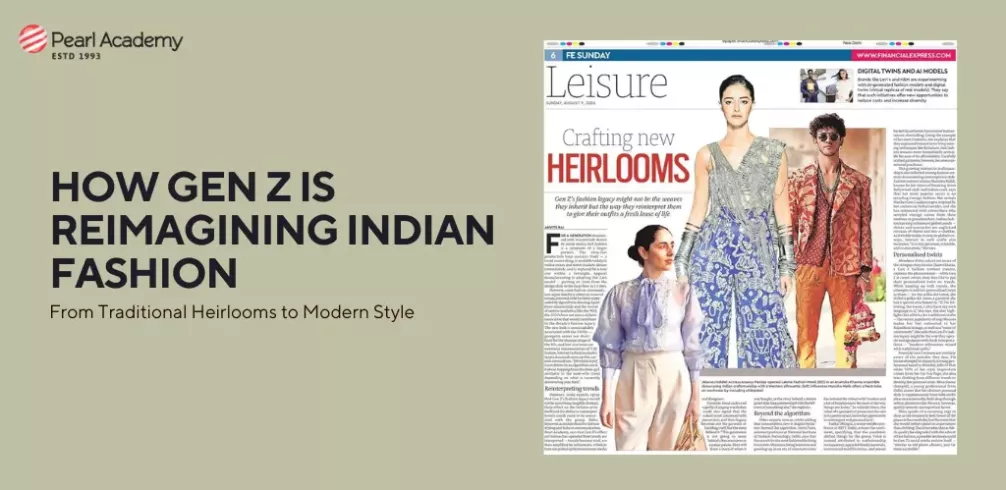
Gen Z is giving Indian fashion a fresh and modern twist by combining traditional textiles, heirloom clothing, and artisanal crafts with contemporary styles and social media trends. From turning old saris into modern outfits to pairing classic Banarasi fabrics with Western-inspired silhouettes, young consumers and designers are finding new ways to make traditional fashion feel relevant today. This approach also reflects a growing interest in sustainability, personal expression, and preserving cultural heritage, making Indian fashion more personal, experimental, and meaningful for today's generation.
Become future-ready with our Fashion Programs
Know More
In today’s fast-changing fashion world, Gen Z is heavily influenced by social media, digital platforms, and fast-moving trend cycles. Platforms like Instagram Reels, YouTube Shorts, and Pinterest have become popular sources of fashion inspiration, making it easier for young consumers to discover and shop for the latest trends. At the same time, Gen Z is becoming more conscious of the environmental impact of fashion and textile production. This growing awareness has increased interest in sustainable fabrics, upcycling, and traditional heirlooms, as young consumers look for fashion choices that are both stylish, environmentally responsible, and consistently experimenting with traditional styles and heirlooms.
The rise of microtrends and social media
Microtrends are styles and trends that gain popularity among social media users and disappear as quickly as they appear. Social media algorithms understand user intent and offer personalized feed for users, offering endless fashion inspirations and purchase options.
From following trends to developing personal style
Active social media presence and endless fashion inspirations have allowed Gen Z users to develope their personal style and fashion identities. Trends such as thrifting, customization, and experimenting with different fashion eras have allowed young armature designers to create their own trends and unique fashion identity. Gen Z designers are not only embracing the traditional fabrics and garments, rather they are innovating with design elements and creating new silhouettes and styles. For example, intricate Indian embroidery over denim jeans, creating new silhouettes with old Banarasi sari, and kurtas with halter neck styles are some of the examples of Gen Z innovating unique styles.
Traditional Indian fashion is becoming increasingly relevant today because it naturally aligns with global values such as sustainability, ethical fashion, and cultural identity. Many consumers are moving away from mass-produced fast fashion and showing greater appreciation for handloom textiles, artisanal craftsmanship, and timeless designs. Traditional garments often use techniques that support slower, more mindful fashion production, while practices such as reusing heirloom pieces and choosing handcrafted products also contribute to more sustainable consumption. At the same time, traditional fashion allows Gen Z designers to express their heritage and personal identity, making it both meaningful and contemporary in today's global fashion landscape.
Indian textiles as a source of creative inspiration
India has a rich textile heritage, with traditional weaving, printing, and embroidery techniques such as Banarasi, Patan Patola, Chikankari, Baluchari, Chintz, and Ikat. For young designers, these crafts offer endless opportunities to experiment with traditional techniques while creating fresh, modern silhouettes. Traditional design practices can also support more sustainable fashion by using natural fibers such as cotton, silk, and wool, while encouraging the preservation and creative use of heritage crafts like block printing, Kalamkari, and Bandhani.
Contemporary silhouettes with traditional crafts
Gen Z designers and influencers regularly experiment with new silhouettes and designs. Indo-western fusion fashion has gained popularity giving simple one-dimensional designs an edgy and modern feel such as khadi jackets with denim or styling classic dupaktas and silk scarves over tailored Western blazers. These trends also allow young designers and Gen Z fashionistas to explore innovative drapes and styling practices such as sari-gowns, ethnic jumpsuits, and crop-tops.
A growing trend among Gen Z designers and influencers is using old fabrics, discarded clothes, and worn-out garments to create new innovative designs. The process of using old materials such as garment or fabric and creating new wearable designs is called fashion upcycling. This has allowed Gen Z to explore their creativity and create personal identities and customized wearable designs. The rise in fashion upcycling in recent years also suggests that Gen Z designers are now making more sustainable fashion choices and moving away from fast fashion consumption.
How Gen Z is reinterpreting inherited clothing
It is not uncommon to come across social media videos of young influencers recreating a new garment using old inherited clothing pieces. For example, creating elaborate skirts using an old sari, or a western dress using an old bedsheet or fabric, Gen Z are now only experimenting with design styles but also with drapes, silhouettes, and fabrics.
Why storytelling makes clothing more valuable
Reinterpreting old designs into modern, wearable fashion is more than just a design exercise, it can also give clothes a deeper emotional meaning. For Gen Z, transforming an old garment or family fabric into something new can help preserve memories and tell a personal story through fashion. For example, creating a bridal outfit from fabrics passed down or previously worn by family members can add both emotional and commercial value to the final piece, making it more meaningful than a mass-produced garment.

Student Guidance Center: Our Counselors are Just a Click Away.
The rise of digital technologies and social media platforms has completely transformed how fashion interpretations are sourced and delivered to consumers. In the earlier era, consumers relied on fashion spreads, magazines, and fashion shows to take inspiration and understand ongoing trends. However, social media platforms such as Instagram, YouTube, and Pinterest have transformed this top-down marketing funnel into a user-centered and user-generated process. Now, users can take direct inspirations from their favorite celebrities, designers, influencers, and access endless content to get reinterpretation inspiration to create their own original products.
Fashion houses and retail companies also utilize modern technology to offer interactive experiences which helps consumers to make easier fashion choices. For example, leading fashion e-commerce platform Myntra launched virtual try on feature on their website which allows users to digitally try out new products before making a purchase. Furthermore, fashion companies are now also using AI technologies to predict fashion trends, understand consumer behavior, and use social media platforms to reach out to new consumers.