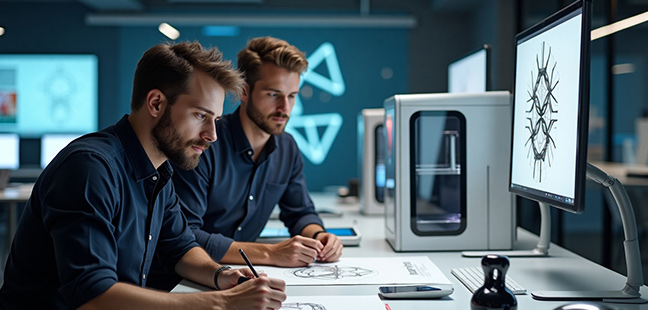
In today’s competitive landscape, product design and development are at the core of creating innovative, user-friendly, and market-ready products. From designing a sleek smartphone to developing its technical capabilities, these interconnected disciplines drive innovation in industries like technology, manufacturing, and retail.
If you’re curious about how products evolve from ideas to reality or seeking a career that merges creativity with technical expertise, understanding product designing and development is a great first step. Let’s explore what this field entails and why it’s a rewarding career path.
Become future-ready with our Product Design Programs
Know More
When it comes to studying product designing and development, the right course can make all the difference. Whether you're a beginner or an experienced professional, programs like those at Pearl Academy cater to various needs.
This 4-year program focuses on building foundational skills in design thinking, prototyping, and research. It is perfect for students who want to dive into the world of product design development after completing high school.
This 2-year program delves deeper into advanced techniques, innovation strategies, and project management. It’s ideal for graduates or professionals seeking to specialize in design and development.
Both programs emphasize experiential learning, making students industry-ready from day one.
The right education equips you with the skills necessary to excel in product designing and development. These include:
- Creativity: Generating innovative product design ideas.
- Technical Proficiency: Using tools like CAD for creating prototypes.
- Problem-Solving: Addressing user challenges and refining products.
- Team Collaboration: Working with engineers, marketers, and developers.
- Market Understanding: Analyzing trends and consumer behavior for better design decisions.
These skills ensure that you’re prepared for the dynamic demands of the product design industry.
Both product design and product development are essential, but they serve distinct purposes:
Importance of Product Design
- User-Centric Approach: Ensures the product meets user needs and preferences.
- Competitive Edge: Creates unique and visually appealing products that stand out in the market.
- Sustainability: Incorporates eco-friendly practices and materials into the design phase.
Importance of Product Development
- Technical Feasibility: Ensures the product functions as intended.
- Cost Efficiency: Streamlines production processes to reduce costs.
- Market Readiness: Prepares the product for mass production and distribution.
Key Insight: While product design focuses on "what" the product will be, product development answers "how" it will be brought to life. Both are critical for delivering successful products that resonate with users and drive business growth.
Salaries in product designing and development vary based on experience, industry, and specialization. Here’s a glimpse:
| Role | Entry-Level Salary | Mid-Level Salary |
| Product Designer | ₹4-8 LPA | ₹8-15 LPA |
| Development Engineer | ₹5-10 LPA | ₹10-18 LPA |
| Design Consultant | ₹6-12 LPA | ₹12-20 LPA |
These figures highlight the lucrative opportunities available in the industry.
Graduates skilled in product design and development can work across multiple sectors, including:
- Technology: Developing gadgets, IoT devices, and software interfaces.
- Consumer Goods: Designing products for everyday use.
- Automotive: Innovating vehicle interiors and exteriors.
- Healthcare: Creating user-friendly medical devices.
Each industry offers unique challenges and opportunities for growth.
Before enrolling in a program, consider these factors:
- Your Interests: Are you more inclined towards creativity or technical execution?
- Career Goals: Which industries or roles excite you the most?
- Program Curriculum: Does the course offer the specializations and skills you’re looking for?
- Industry Exposure: Look for programs with internships and real-world projects.
Choosing the right course sets the foundation for a successful career.
The answer depends on your strengths and aspirations:
- Choose Product Design if you enjoy creativity, ideation, and aesthetics.
- Choose Product Development if you’re passionate about technical problem-solving and execution.
Both are equally rewarding and often overlap in professional environments.

Student Guidance Center: Our Counselors are Just a Click Away.